Buy verbunden.eu ?
We are moving the project
verbunden.eu .
Are you interested in purchasing the domain
verbunden.eu ?
domain@kv-gmbh.de · 0541-91531010
Buy verbunden.eu ?
How do you transform an object clause or a subject clause into a dependent clause (subordinate clause)?
To transform an object clause or a subject clause into a dependent clause, you can add a subordinating conjunction at the beginning of the clause. For example, changing "I know that he is coming" (object clause) to "I know when he is coming" (dependent clause). Another way is to remove the subject or object pronoun and change the verb form to make it dependent on the main clause. For instance, changing "She believes she can win" (subject clause) to "She believes she can win" (dependent clause). **
Is an infinitive clause a subordinate clause?
Yes, an infinitive clause is a type of subordinate clause. It functions as a single unit within a sentence and is dependent on the main clause for its meaning. Infinitive clauses typically begin with the word "to" followed by a verb, and they can serve various purposes such as expressing purpose, result, or obligation. **


Similar search terms for Clause
Top-Angebote
Products related to Clause:
-
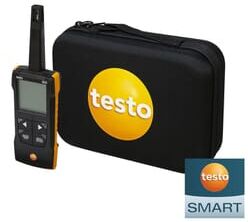
Testo 625 Digital Thermohygrometer – App ConnectedTesto 625 Digital Thermohygrometer with App Connection (0563 1625) The Testo 625 Digital Thermohygrometer is designed for quick, easy and precise measurement of air temperature and relative humidity. Well suited to assessing indoor air quality or maintaining optimal conditions in storage rooms, this compact device integrates with the Testo Smart App for enhanced functionality. The instrument automatically calculates dewpoint and wet bulb temperature, with time and point averages displayed instantly for quick assessment. Measurement data can be viewed as graphical curves within the app, saved, and managed alongside customer and site information, with reports emailed directly from the app. An audible alarm sounds if pre-set limit values are exceeded. Key Features & Benefits Precise M239,70 £*Shipping: 0,00 £Secure redirect to the provider
-
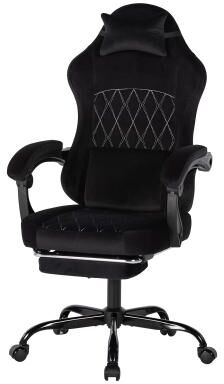
toswini Velvet Reclining Gaming Office Chair with Massage Lumbar and Linked ArmsDescription This computer chair offers flexible seating for working, studying, and gaming. Features: The backrest reclines from 90° to 135° with linked armrests that move in step. A lumbar vibration massage function provides adjustable back comfort.184,99 $*Shipping: 0,00 $Secure redirect to the provider
-
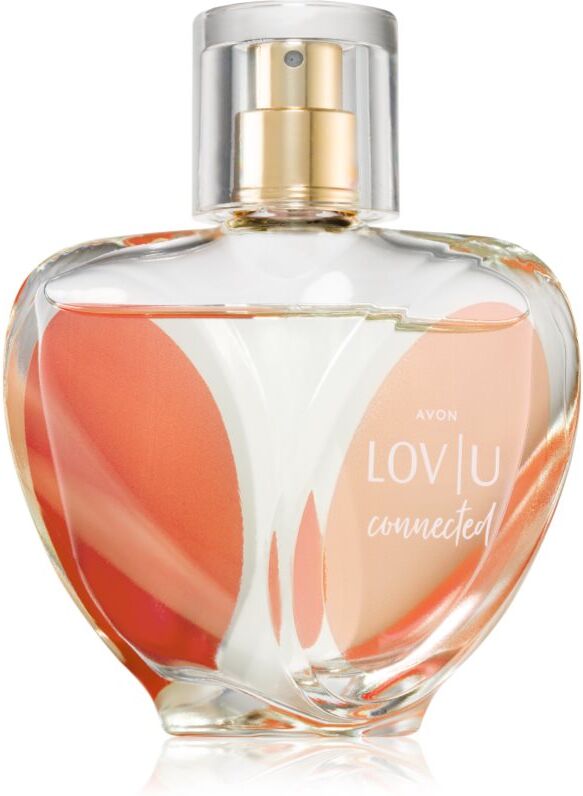
Avon Lov U Connected EDP W 50 mlAvon Lov U Connected, 50 ml, Eaux de Parfum for Women, Treat yourself to some refreshment – and not just on a hot summer day. Avon Lov U Connected Eau de Parfum for women will surround you with a citrussy aroma to give you new energy and invigorate your senses. citrus fragrance aquatic fragrance with oceanic notes woody fragrance great for women with a romantic soul fresh fragrance, ideal for hot weather suitable for everyday wear10,46 £*Shipping: 3,99 £Secure redirect to the provider
-
What are main clause-subordinate clause constructions?
Main clause-subordinate clause constructions are sentences that consist of a main clause and one or more subordinate clauses. The main clause is a complete sentence that can stand alone, while the subordinate clause depends on the main clause for its meaning and cannot stand alone. Subordinate clauses often begin with subordinating conjunctions such as "because," "although," "if," or "when," and they provide additional information or context to the main clause. These constructions allow for more complex and nuanced sentence structures, and they are commonly used in both spoken and written language. **
-
Can an adverbial clause also be a subject clause or an object clause?
No, an adverbial clause cannot be a subject clause or an object clause. An adverbial clause functions as an adverb to modify a verb, adjective, or adverb in a sentence. Subject clauses and object clauses, on the other hand, serve as the subject or object of the main clause, respectively. Each type of clause has a specific grammatical function within a sentence. **
-
Is the main clause and subordinate clause correct?
To determine if the main clause and subordinate clause are correct, you need to ensure that they are grammatically sound and that they make sense when combined. The main clause should be able to stand alone as a complete sentence, while the subordinate clause provides additional information but cannot stand alone. Checking for subject-verb agreement and proper punctuation between the two clauses can help confirm their correctness. **
-
How do I recognize a relative clause, a conjunctional clause, and an interrogative clause?
A relative clause typically starts with a relative pronoun (such as who, whom, whose, which, or that) and provides more information about a noun in the main clause. A conjunctional clause, on the other hand, is introduced by a conjunction (such as and, but, or because) and connects two independent clauses. An interrogative clause is a type of clause that asks a question and is typically introduced by an interrogative pronoun (such as who, what, when, where, why, or how) or an interrogative adverb (such as how, when, or where). **

How can I recognize a relative clause, a conjunctional clause, and an interrogative clause?
A relative clause is a type of dependent clause that typically starts with a relative pronoun (such as who, whom, whose, which, or that) and provides additional information about a noun in the main clause. A conjunctional clause, on the other hand, is a dependent clause that functions as an adverb, adjective, or noun in a sentence and is connected to the main clause by a conjunction (such as because, although, if, when, etc.). An interrogative clause is a type of clause that asks a question and typically begins with a question word (such as who, what, where, when, why, or how) or with a helping verb followed by the subject. **
Is the accompanying clause in direct speech a main clause or a subordinate clause?
The accompanying clause in direct speech can be either a main clause or a subordinate clause, depending on its role in the sentence. If the clause is expressing a complete thought and can stand alone as a sentence, then it is a main clause. However, if the clause is dependent on the rest of the sentence for its meaning and cannot stand alone, then it is a subordinate clause. It's important to consider the context and structure of the sentence to determine the role of the accompanying clause in direct speech. **
Top-Angebote
Products related to Clause:
-
Nourison Linked Brushstroke Area RugWith its gorgeous graphic designs displayed in striking urban-inspired color palettes, the Linked collection of area rugs from Nourison will impart a clean, cosmopolitan chic to any contemporary setting it inhabits.167,19 $*Shipping: 0,00 $Secure redirect to the provider
-
United Flashlight Tool Set With Integrated LED Emergency Case Flashlight Tool Set With Integrated LED Emergency CaseImagine being stuck in the dark with a loose screw or a sudden minor breakdown, only to realize your heavy toolbox is buried deep in the garage. This clever, spacesaving 24 in 1 flashlight tool set ensures you are never left helpless in moments like...59,97 $*Shipping: 0,00 $Secure redirect to the provider
-
Testo 625 Digital Thermohygrometer – App ConnectedTesto 625 Digital Thermohygrometer with App Connection (0563 1625) The Testo 625 Digital Thermohygrometer is designed for quick, easy and precise measurement of air temperature and relative humidity. Well suited to assessing indoor air quality or maintaining optimal conditions in storage rooms, this compact device integrates with the Testo Smart App for enhanced functionality. The instrument automatically calculates dewpoint and wet bulb temperature, with time and point averages displayed instantly for quick assessment. Measurement data can be viewed as graphical curves within the app, saved, and managed alongside customer and site information, with reports emailed directly from the app. An audible alarm sounds if pre-set limit values are exceeded. Key Features & Benefits Precise M239,70 £*Shipping: 0,00 £Secure redirect to the provider
-
toswini Velvet Reclining Gaming Office Chair with Massage Lumbar and Linked ArmsDescription This computer chair offers flexible seating for working, studying, and gaming. Features: The backrest reclines from 90° to 135° with linked armrests that move in step. A lumbar vibration massage function provides adjustable back comfort.184,99 $*Shipping: 0,00 $Secure redirect to the provider
-
How do you transform an object clause or a subject clause into a dependent clause (subordinate clause)?
To transform an object clause or a subject clause into a dependent clause, you can add a subordinating conjunction at the beginning of the clause. For example, changing "I know that he is coming" (object clause) to "I know when he is coming" (dependent clause). Another way is to remove the subject or object pronoun and change the verb form to make it dependent on the main clause. For instance, changing "She believes she can win" (subject clause) to "She believes she can win" (dependent clause). **
-
Is an infinitive clause a subordinate clause?
Yes, an infinitive clause is a type of subordinate clause. It functions as a single unit within a sentence and is dependent on the main clause for its meaning. Infinitive clauses typically begin with the word "to" followed by a verb, and they can serve various purposes such as expressing purpose, result, or obligation. **
-
What are main clause-subordinate clause constructions?
Main clause-subordinate clause constructions are sentences that consist of a main clause and one or more subordinate clauses. The main clause is a complete sentence that can stand alone, while the subordinate clause depends on the main clause for its meaning and cannot stand alone. Subordinate clauses often begin with subordinating conjunctions such as "because," "although," "if," or "when," and they provide additional information or context to the main clause. These constructions allow for more complex and nuanced sentence structures, and they are commonly used in both spoken and written language. **
-
Can an adverbial clause also be a subject clause or an object clause?
No, an adverbial clause cannot be a subject clause or an object clause. An adverbial clause functions as an adverb to modify a verb, adjective, or adverb in a sentence. Subject clauses and object clauses, on the other hand, serve as the subject or object of the main clause, respectively. Each type of clause has a specific grammatical function within a sentence. **
Similar search terms for Clause
-
Avon Lov U Connected EDP W 50 mlAvon Lov U Connected, 50 ml, Eaux de Parfum for Women, Treat yourself to some refreshment – and not just on a hot summer day. Avon Lov U Connected Eau de Parfum for women will surround you with a citrussy aroma to give you new energy and invigorate your senses. citrus fragrance aquatic fragrance with oceanic notes woody fragrance great for women with a romantic soul fresh fragrance, ideal for hot weather suitable for everyday wear10,46 £*Shipping: 3,99 £Secure redirect to the provider
-
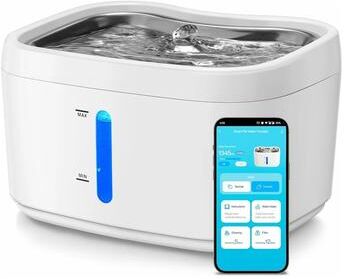
Inspire Essentials Smart App Connected Cat Water Fountain bGive your pet constant access to fresh, flowing water with a smart fountain designed for modern pet care. This automatic water fountain encourages healthy hydration by providing a continuous stream of filtered water that cats and dogs naturally...121,98 $*Shipping: 0,00 $Secure redirect to the provider
-
Nourison Linked Modern Geometric Area RugWith its gorgeous graphic designs displayed in striking urban-inspired color palettes, the Linked collection of area rugs from Nourison will impart a clean, cosmopolitan chic to any contemporary setting it inhabits.149,71 $*Shipping: 0,00 $Secure redirect to the provider
-
Is the main clause and subordinate clause correct?
To determine if the main clause and subordinate clause are correct, you need to ensure that they are grammatically sound and that they make sense when combined. The main clause should be able to stand alone as a complete sentence, while the subordinate clause provides additional information but cannot stand alone. Checking for subject-verb agreement and proper punctuation between the two clauses can help confirm their correctness. **
-
How do I recognize a relative clause, a conjunctional clause, and an interrogative clause?
A relative clause typically starts with a relative pronoun (such as who, whom, whose, which, or that) and provides more information about a noun in the main clause. A conjunctional clause, on the other hand, is introduced by a conjunction (such as and, but, or because) and connects two independent clauses. An interrogative clause is a type of clause that asks a question and is typically introduced by an interrogative pronoun (such as who, what, when, where, why, or how) or an interrogative adverb (such as how, when, or where). **
-
How can I recognize a relative clause, a conjunctional clause, and an interrogative clause?
A relative clause is a type of dependent clause that typically starts with a relative pronoun (such as who, whom, whose, which, or that) and provides additional information about a noun in the main clause. A conjunctional clause, on the other hand, is a dependent clause that functions as an adverb, adjective, or noun in a sentence and is connected to the main clause by a conjunction (such as because, although, if, when, etc.). An interrogative clause is a type of clause that asks a question and typically begins with a question word (such as who, what, where, when, why, or how) or with a helping verb followed by the subject. **
-
Is the accompanying clause in direct speech a main clause or a subordinate clause?
The accompanying clause in direct speech can be either a main clause or a subordinate clause, depending on its role in the sentence. If the clause is expressing a complete thought and can stand alone as a sentence, then it is a main clause. However, if the clause is dependent on the rest of the sentence for its meaning and cannot stand alone, then it is a subordinate clause. It's important to consider the context and structure of the sentence to determine the role of the accompanying clause in direct speech. **
* All prices are inclusive of VAT and, if applicable, plus shipping costs. The offer information is based on the details provided by the respective shop and is updated through automated processes. Real-time updates do not occur, so deviations can occur in individual cases. ** Note: Parts of this content were created by AI.